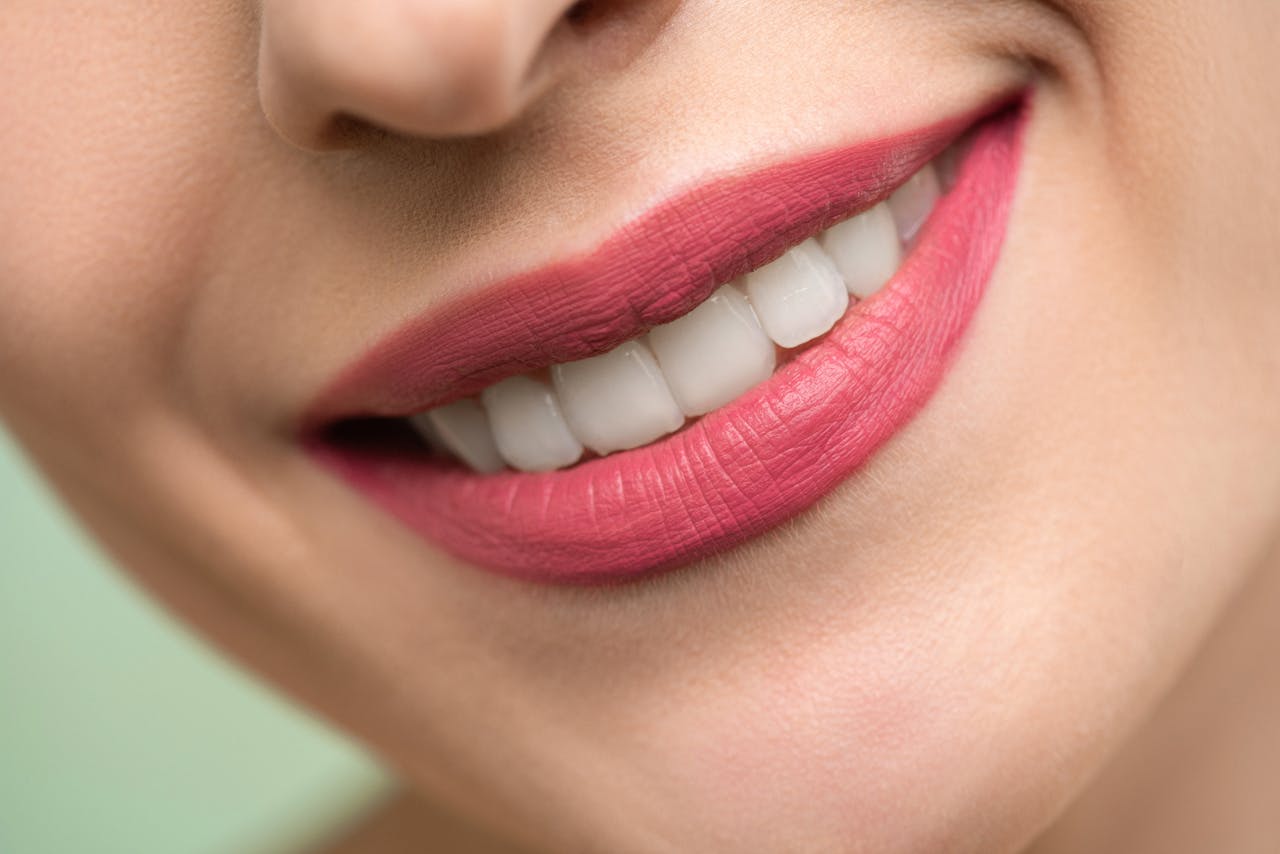
A bright, white smile can make a lasting impression—it’s often the first thing people notice. But over time, everyday habits like drinking coffee, tea, red wine, or simply aging can dull the natural whiteness of your teeth. If you’re looking to restore radiance to your smile, professional teeth whitening offers a safe, effective way to lift stains and boost your confidence.
Why Teeth Get Stained
Teeth can become discolored for several reasons. Surface stains, or extrinsic stains, are caused by foods, drinks, and tobacco. These stains affect the enamel—the outermost layer of your teeth. Intrinsic stains, on the other hand, come from within the tooth and may be due to aging, trauma, certain medications, or excessive fluoride exposure during childhood.
While brushing and flossing help prevent buildup, they can’t always reverse discoloration once it sets in. That’s where professional whitening treatments come in.
How Teeth Whitening Works
Teeth whitening uses bleaching agents—typically hydrogen peroxide or carbamide peroxide—to break down stains and lighten the color of the tooth enamel. Professional whitening can be done in-office for quick results, or with custom take-home trays designed by your dentist for gradual whitening at your own pace.
During an in-office treatment, your dentist will apply a high-concentration whitening gel to your teeth and may use a special light to enhance the effect. Most treatments take under an hour and can brighten your teeth several shades in just one visit.
The Benefits of Professional Teeth Whitening
Unlike over-the-counter whitening products, professional treatments offer:
- Faster results: Noticeable whitening in just one session.
- Longer-lasting effects: With proper care, results can last months or even years.
- Customized care: Treatments are tailored to your teeth and sensitivity level.
- Safe application: Supervised by dental professionals to protect your gums and enamel.
- Confidence boost: A whiter smile can help you look younger, healthier, and more vibrant.
Is Teeth Whitening Right for You?
Most people with healthy teeth and gums are good candidates for teeth whitening. However, whitening products don’t work on crowns, veneers, or fillings—and not all stains respond the same way. If you have deep discoloration or sensitive teeth, your dentist can recommend the best option for your needs.
How to Maintain Your Sparkling Smile
To keep your teeth white after treatment:
- Brush and floss daily.
- Avoid stain-causing foods and drinks or rinse with water afterward.
- Don’t smoke or use tobacco products.
- Schedule regular cleanings and touch-up whitening as needed.
Ready to Brighten Your Smile?
Whether you’re prepping for a big event or just want to feel more confident every day, professional teeth whitening is a simple way to refresh your appearance. Talk to your dentist about your whitening options and find the right treatment for your goals and lifestyle.
FAQs About Teeth Whitening
How long does teeth whitening last?
With good oral hygiene and occasional touch-ups, professional whitening can last anywhere from 6 months to 2 years.
Is teeth whitening safe?
Yes, when done under the supervision of a dental professional, whitening is considered safe and effective.
Will whitening make my teeth sensitive?
Some people experience mild sensitivity, but it’s usually temporary. Your dentist can recommend desensitizing products if needed.
Can I whiten veneers or crowns?
No, whitening treatments only work on natural enamel. If you want to match restorations, your dentist may recommend other options.
How white will my teeth get?
Results vary by person and depend on the original shade of your teeth and the type of stains present. Most people see a noticeable improvement after just one treatment.
Are store-bought whitening kits effective?
They can help with minor surface stains, but they’re not as strong or targeted as professional treatments. Results are often less noticeable and take longer.
Can I whiten my teeth if I have cavities?
Whitening should be done on healthy teeth. Your dentist will likely recommend treating any cavities or gum disease before beginning the whitening process.