Losing a tooth can affect more than just your smile—it can impact your confidence, how you eat, how you speak, and even your overall oral health. While dentures and bridges offer temporary solutions, dental implants provide something more permanent, secure, and natural-looking. If you’re looking to restore your smile with something that feels like your own teeth, dental implants might be the right option.
Why Missing Teeth Are More Than a Cosmetic Issue
It’s easy to think of a missing tooth as just an aesthetic concern, but the effects go deeper. When a tooth is lost, the jawbone beneath it begins to shrink due to lack of stimulation. This can change the shape of your face, make adjacent teeth shift, and lead to further tooth loss. Chewing can become difficult, speech may change, and you may avoid smiling altogether.
Dental implants solve these issues by replacing both the visible part of the tooth and the root underneath.
What Are Dental Implants?
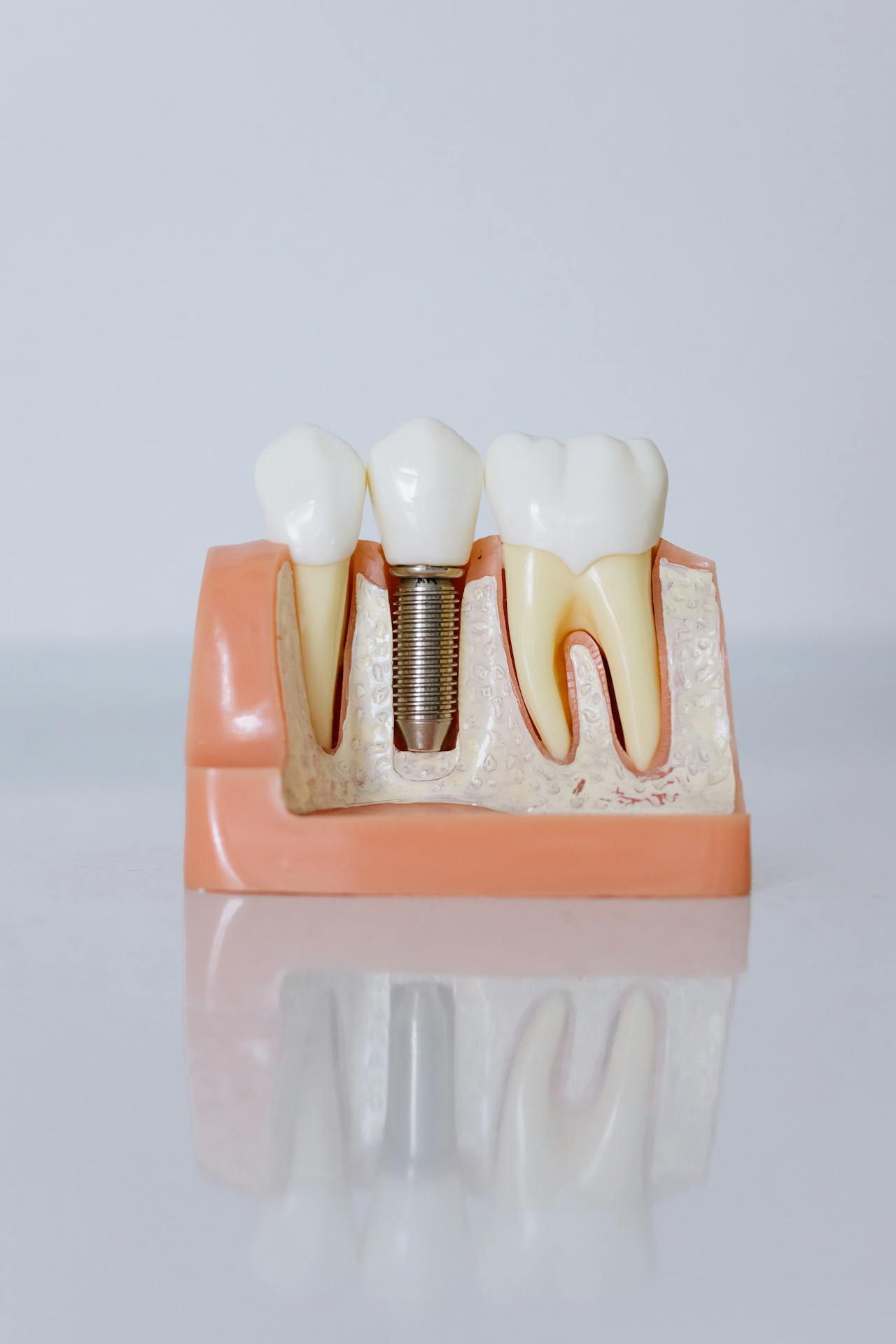
A dental implant is a small titanium post that is surgically placed into the jawbone where a tooth used to be. Over time, the implant fuses with the bone in a process called osseointegration. Once the area has healed, a custom crown (the visible part of the tooth) is attached to the implant. The result is a strong, realistic-looking replacement that functions just like a natural tooth.
Why Dental Implants Stand Out
Dental implants are considered the gold standard in tooth replacement for several reasons:
- Natural Look and Feel: Implants are designed to blend seamlessly with your other teeth.
- Permanent Solution: With proper care, implants can last decades—often a lifetime.
- No Slipping or Shifting: Unlike dentures, implants stay firmly in place.
- Preserves Jawbone: Implants help prevent bone loss by stimulating the jaw just like a real tooth.
- No Impact on Surrounding Teeth: Unlike bridges, implants don’t rely on neighbouring teeth for support.
Who Is a Good Candidate for Dental Implants?
Most healthy adults with missing teeth are candidates for dental implants. You need enough bone in your jaw to support the implant, healthy gums, and a commitment to good oral hygiene. If you’ve been missing a tooth for a long time and have experienced bone loss, bone grafting may be recommended before the implant can be placed.
A dental consultation with X-rays or a 3D scan will help your dentist determine if implants are right for you.
What to Expect During the Procedure
Getting dental implants is typically done in stages:
- Evaluation and Planning: Includes X-rays and treatment planning.
- Implant Placement: The titanium post is surgically inserted into the jawbone.
- Healing Period: Osseointegration takes a few months while the implant fuses to the bone.
- Abutment Placement: A small connector is attached to the implant.
- Crown Attachment: A natural-looking crown is placed on top, completing the tooth.
While the process can take several months, many patients say the long-term benefits are worth the wait.
Ready to Restore Your Smile?
If you’re tired of dealing with missing teeth or uncomfortable dentures, talk to your dentist about dental implants. They offer the look, feel, and function of natural teeth—giving you the confidence to eat, speak, and smile again.
FAQs About Dental Implants
Are dental implants painful?
The implant procedure is done with local anesthesia, and most patients report only minor discomfort during recovery—similar to having a tooth pulled.
How long do dental implants last?
With proper care, implants can last 25 years or longer. Many patients keep their implants for life.
How do I care for dental implants?
Brush and floss daily, visit your dentist regularly, and avoid smoking to ensure long-term success.
Are implants better than bridges or dentures?
Implants are more durable, feel more natural, and preserve bone, making them a preferred long-term solution for many patients.
What if I don’t have enough bone for an implant?
Your dentist may recommend bone grafting to build up the area and make implant placement possible.
How long does it take to get a dental implant?
The full process typically takes 3 to 6 months, depending on healing time and whether bone grafting is needed.
Will insurance cover dental implants?
Some dental insurance plans cover part of the cost, but coverage varies. Your dentist’s office can help you understand your benefits and financing options.